


In Canada, more than 3.3 million people experience urinary incontinence—an involuntary loss of urine or difficulty holding the bladder. It may occur with exertion, during a sudden, urgent need to urinate, or both. In some men, it appears after prostate surgery. This condition can significantly affect social life, self-confidence, and household expenses.
In Québec and across Canada, treatment options for men and women include medications, injections, slings, and artificial sphincters. What is the role of each approach, and in which situations are they recommended?
Diagnosis begins with a full review of medical, surgical, and medication history, as well as comorbidities such as diabetes, neurological disorders, or prior pelvic surgeries.
A bladder diary is used to record frequency, volume, and episodes of leakage. The physical exam is adapted based on sex and may include specific tests.

In women, assessment includes:
In men, evaluation focuses on:
Additional testing may include:
Conservative treatments combine lifestyle changes—limiting irritants, weight management, smoking cessation when applicable—and pelvic floor rehabilitation to optimize muscle function.
Several classes of medications are used to treat urinary incontinence:
In women, local estrogen therapy may complement treatment alone or combined with an anticholinergic or a β3 agonist.
In men, alpha-blockers such as tamsulosin, alfuzosin, and silodosin, or 5-alpha-reductase inhibitors such as finasteride and dutasteride, may be prescribed alone or in combination for mixed symptoms.
These therapies aim to reduce leakage and improve quality of life.
Medications primarily relieve urgency and overactive bladder symptoms but are less effective for isolated stress incontinence.
Possible side effects include dry mouth, constipation, and cognitive issues, especially in older adults. Cost, adherence, and monitoring for adverse reactions must be considered.
These treatments reduce urinary leakage, improve daily comfort and quality of life, and represent a non-invasive option before considering more complex interventions.
Medications are used when surgery is not desired or necessary. Their prescription depends on overall health and tolerance to treatment.
Certain conditions may contraindicate their use, such as glaucoma, urinary obstruction or specific sensitivities to the drugs.
In older adults, caution is required due to increased risks of cognitive or digestive side effects.
The decision should be individualized and supervised by a healthcare professional who monitors treatment response and adjusts the strategy as symptoms evolve.
Botulinum toxin (onabotulinumtoxinA) is injected directly into the bladder muscle to reduce involuntary contractions responsible for urgency and leakage. The goal is to decrease strong urges and associated incontinence. This approach is recommended for patients with a persistent overactive bladder despite medication or when medication causes intolerable side effects.
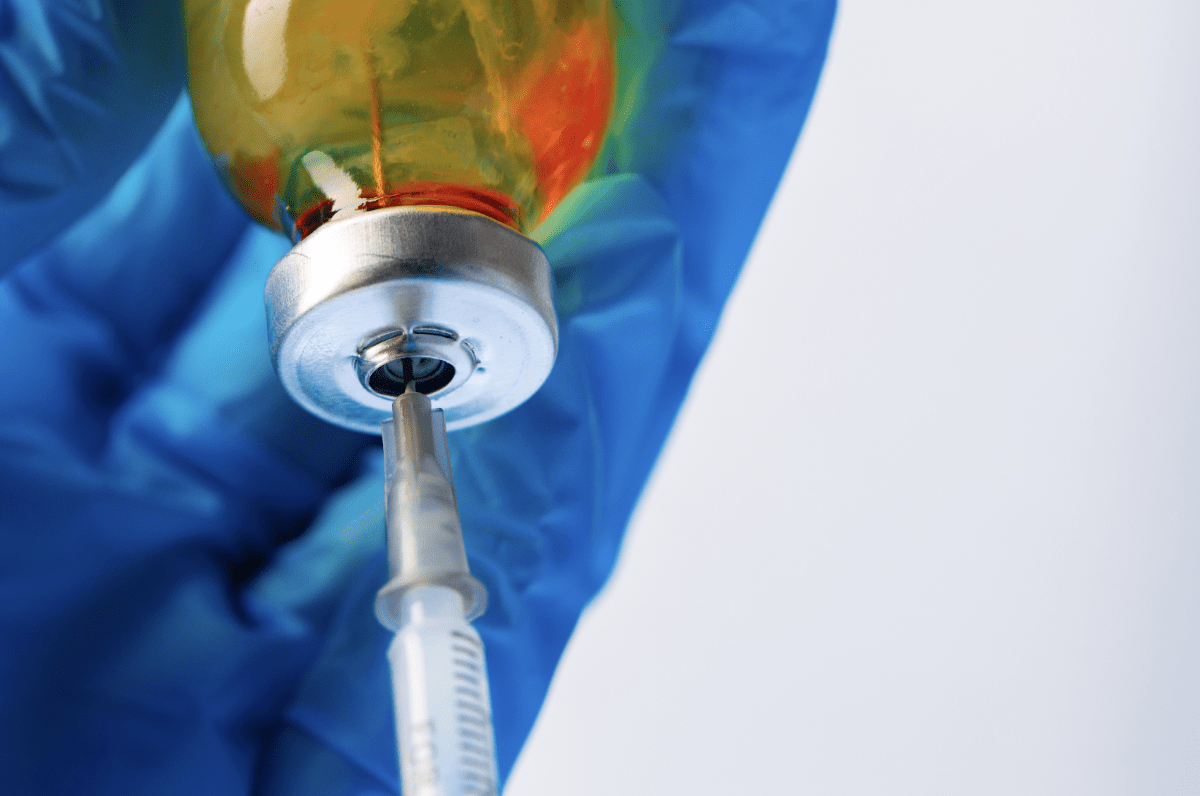
Results are often very positive, with a clear improvement in symptoms and quality of life. The effect is temporary, requiring repeat injections every 6 to 12 months on average. Medical follow-up is essential, as urinary infections or urinary retention may occur.
In Canada, injections are performed in specialized urology clinics. Access may vary depending on insurance coverage and provincial policies, which can influence treatment availability.
A bulking agent—collagen, hydrogels, or longer-lasting materials—is injected around the urethra to improve mucosal coaptation and increase outlet resistance. Products are chosen based on indication and availability.
This approach is particularly suitable for patients with mild to moderate stress urinary incontinence (SUI) or those who do not wish to or cannot undergo surgery. It is less invasive and associated with lower morbidity than surgical procedures.
Effectiveness is generally good, but results may be temporary, requiring periodic repeat injections to maintain benefits.
Selection depends on several factors: severity of leakage, patient preferences, surgical risk factors, and expectations (improvement vs full correction). A benefit-risk assessment is essential before proceeding.
Mid-urethral slings (MUS) are implanted devices designed to support the urethra and treat stress incontinence in women. They may be transvaginal (TVT), retropubic, autologous fascial or synthetic, depending on the surgeon’s preference and device availability.
These procedures show high success rates for female SUI, with strong medium- and long-term improvement or cure. MUS are often compared to colposuspension or autologous slings when selecting the best approach for each patient.
Complications may include abdominal or groin pain, mesh exposure or extrusion, dysuria, the need for re-intervention, and long-term issues related to synthetic materials.
Choice depends on severity, urethral mobility, anatomy, prior surgeries, patient expectations, and risk tolerance. Provincial regulations and Canadian guidelines govern the use of mesh.
This device is implanted around the urethra or bladder neck in women. It uses a manually controlled inflatable cuff to open or close the urinary flow. It is primarily indicated for severe sphincter deficiency, often after prostate surgery or pelvic trauma.
In men, it is the gold standard for post-prostatectomy incontinence or severe stress incontinence when other options have failed.
In women, its use is rare and reserved for severe sphincter-related incontinence after failure of standard treatments such as slings.
The device offers excellent control of leakage, high satisfaction rates, and long-term durability in well-selected patients.
Risks include the invasive nature of the surgery, potential infection, urethral erosion, mechanical failure, and the need for adequate manual dexterity and specialized follow-up.
To choose the best strategy, it is helpful to compare options based on invasiveness, effectiveness, durability, and risks.
| Approach | Invasiveness | Effectiveness / Durability | Men | Women | Limitations / Risks |
| Medications | Low | Moderate, mainly urgency/mixed | Urgency or mixed | Urgency or mixed | Side effects, limited effectiveness |
| Bladder injections | Minimally invasive | Good medium-term effectiveness, repeatable | Medication-resistant urgency | Medication-resistant urgency | Temporary benefit, risk of retention/infection |
| Bulking agents | Minimally invasive | Temporary | Mild to moderate SUI | Mild to moderate SUI | Often temporary, requires repeat treatments |
| Slings | Moderate surgery | Very effective for female SUI | Rarely used | Moderate to severe SUI | Pain, mesh exposure, need for re-intervention |
| Artificial sphincter | Invasive surgery | Excellent for severe SUI | Severe post-prostatectomy SUI | Severe sphincter-related SUI after sling failure | Manual dexterity required, mechanical/infection risk |
Urinary incontinence treatments range from medication to more complex surgical interventions. No single treatment fits all. The type and severity of leakage, age, comorbidities, and patient expectations guide the choice. In Canada, access to care and provincial coverage vary.
Our specialized teams in Montréal, Laval, Joliette, the South Shore, and Québec City provide personalized treatment plans and comprehensive follow-up. Book an appointment.
Error: Contact form not found.